Burnout Retreats: What Actually Helps (and How to Choose One)
When you are burned out, a retreat can sound like rescue: a few days away, someone else cooking, no inbox. Rest matters. But many people come home from a lovely weekend and feel exhausted again within a week. The difference between a retreat that helps and one that merely pauses the problem usually comes down to what it teaches, and whether you change anything when you get back.
Burnout is not only about workload
Workload matters, and sometimes the honest answer is that a job asks too much. But burnout often comes from a mismatch between how you spend your energy and what you care about: saying yes when you mean no, working against your values, carrying other people's emotions, or pushing through signals your body has been sending for months. Bill Heinrich puts it simply in his keynote, The Power of Energetic Alignment: How to Shatter Burnout, Fast: "Burnout isn't a workload problem. It's an alignment problem."
That framing matters when you choose a retreat. If burnout were only about hours, a vacation would fix it. If it is also about alignment, you need a program that helps you notice your patterns and practice new ones.
Important: when burnout needs professional care
Burnout overlaps with depression, anxiety and physical health conditions. If you feel hopeless, cannot function day to day, or have physical symptoms that worry you, start with a doctor or licensed mental health professional. A retreat can complement care. It does not replace it. If you are in crisis, contact local emergency services or a crisis line right away.
The main kinds of burnout programs
Rest-focused retreats. Quiet, comfortable stays with gentle activities. Restorative, but they rarely teach new skills. Best when you are depleted and need recovery first.
Skills-based resilience programs. Courses that teach practical tools such as mindfulness-based stress reduction, self-compassion, boundary-setting, and recovering from stress during the work day. Some are residential, such as short resilience programs at retreat centers. Many are multi-week and online, like eight-week stress reduction courses or six-week resilience-at-work programs.
Purpose and life-design programs. For burnout tied to direction, such as feeling stuck in the wrong role or unsure what is next. These use reflection and planning tools to help you redesign parts of your life.
Programs for helpers. Some retreats are built for caregivers, clinicians and practitioners who give all day. Being among people who share the same pressures can be its own relief.
What to look for
- Concrete practices you can repeat at home in ten minutes or less. If you cannot name three by the end, the retreat was mostly rest.
- Attention to boundaries and saying no. For many people this is the heart of recovery.
- Some honest look at the source. Good programs help you identify what is draining you, not only how to cope with it.
- Follow-up. A group call, a practice plan or a multi-week format makes change far more likely.
- Realistic language. Be wary of programs that promise to "cure" burnout in a weekend.
Questions to ask yourself before booking
- Do I need rest first, skills first, or a change of direction?
- Can I take time off without coming back to a worse backlog? If not, a weekly online course may be the kinder choice.
- What is one thing I will do differently the week I return?
- Who will support me in keeping it going?
A simple plan for coming home
The return is where most of the benefit is won or lost. Try this:
- Before you leave, block 30 minutes on your first day back to plan your week with your new boundaries in mind.
- Choose one practice from the retreat and attach it to an existing habit, such as after your morning coffee.
- Name one "no" you will say in the first week, and say it.
- Check in after 30 days. A short self-check on EQPulse can show whether your stress management and self-awareness feel different. Treat it as reflection, not a score to chase.
Finding burnout and resilience programs
On GatherAligned, filter by the Burnout & resilience topic, then narrow by region and format. Southern California options appear first when you select SoCal, and online courses are a good choice if travel itself feels like too much right now. See burnout and resilience gatherings.
If you want to start before you book anything, Bill Heinrich's Limitless Flow: Mastering the Expansion of Energy is about staying steady when old patterns return and leading from overflow rather than force, which is a useful lens for burnout. His keynote and workshops on this theme are listed in the featured section of this site.
Recovery is rarely one dramatic weekend. It is a series of small, aligned choices, and a good retreat helps you practice the first few.
Keynote & workshop · Southern California
The Power of Energetic AlignmentHow to Shatter Burnout, Fast
Burnout Isn’t a Workload Problem. It’s an Alignment Problem.
Bill Heinrich, author of The Aligned Life Series, offers talks and workshops for Southern California teams, conferences and community groups on why people burn out even when they love their work, and how to get back into flow by realigning energy, values and boundaries.
Pre-workshop reading
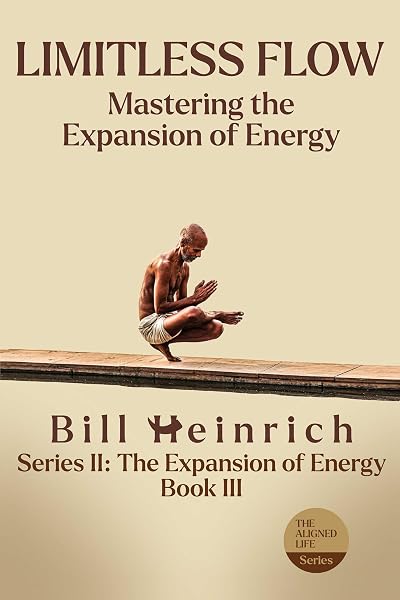 Limitless Flow
The Aligned Life Series · Book 6
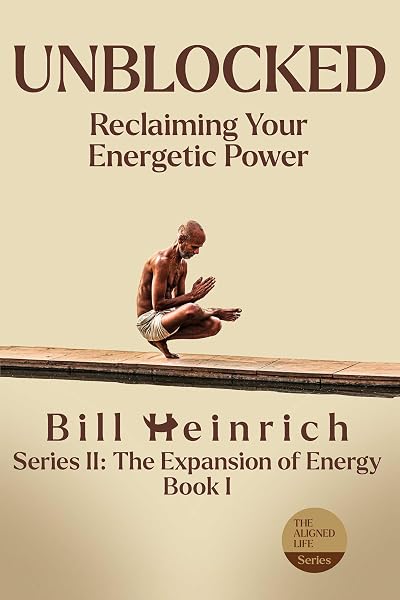 Unblocked
The Aligned Life Series · Book 4
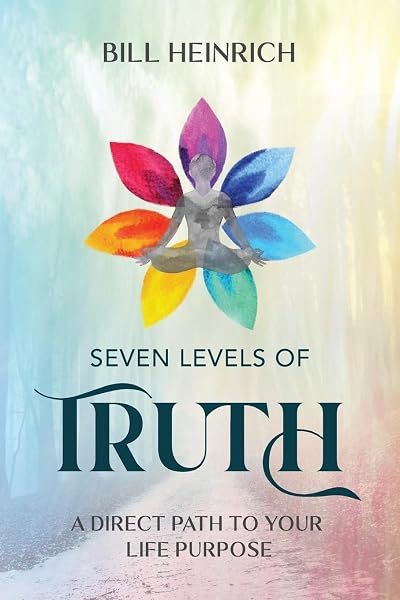 Seven Levels of Truth
By Bill Heinrich
 The Energetic Self
The Aligned Life Series · Book 2
Links go to Amazon (coming-soon Field Guides link to thealignedlifeseries.com).
Gatherings to explore
- Coming Home: Foundations of Mindfulness (Jan 10, 2027, Los Angeles, CA)
- Recharge Healing Retreat (Feb 27–28, 2027, San Diego, CA)
- Brain Health Retreat 2027 (Sep 13–17, 2027, Los Angeles (Beach Cities), CA)
- Designing The Life We Want: Self Renewal in the Fall (Oct 26–30, 2026, Big Sur, CA)
Keep reading
Educational content only. Not medical or mental health advice.