Emotional Intelligence Workshops Near Me: How to Find One Worth Your Weekend
Searching for "emotional intelligence workshops near me" usually turns up a confusing mix: corporate trainings, weekend retreats, meditation days, coaching certifications and the odd seminar that promises to change your life by Sunday. Some are excellent. Some are mostly a sales pitch for the next, more expensive program. This guide will help you tell the difference and choose something that fits your goals, your budget and your calendar.
First, decide what you actually want to get better at
Emotional intelligence is not one skill. It is a cluster of skills that show up differently for different people. Before you look at a single listing, write one sentence about the moment you want to handle better. For example:
- "I want to stop snapping at my partner when I am tired."
- "I want to give hard feedback at work without freezing or over-explaining."
- "I want to notice what I feel before it turns into a decision I regret."
- "I want to stop saying yes to everyone and then resenting it."
That sentence becomes your filter. A workshop on leadership presence may be perfect for the second goal and a poor fit for the first. A self-compassion course may help the fourth goal more than anything with "EQ" in the title. On GatherAligned you can filter by topic (emotional intelligence, relationships, communication and conflict, self-compassion, burnout and resilience, leadership, grief, purpose) so you can start from the skill rather than the brand.
The four main formats, and who each one suits
Short in-person workshops (a few hours to one day). Good for a first taste, for practicing with real people, and for low cost. Meditation centers, community colleges and nonprofits often run these on weekends. The trade-off is depth: you will learn a tool or two, not rebuild a habit.
Weekend or week-long residential programs. Retreat centers such as Esalen in Big Sur or 1440 Multiversity near Santa Cruz offer immersive programs where you live on site. The setting removes daily distractions, which can make reflection easier. These cost more once lodging is included, and you need a plan for keeping the change going when you get home.
Multi-week online courses. Programs like eight-week mindfulness or self-compassion courses meet for a couple of hours a week. They are slower, but that is the point: you practice between sessions in your real life and bring back what happened. For lasting habit change, this format is underrated.
Professional and leadership programs. These are aimed at managers and teams, often with assessments and feedback. They can be valuable if your goal is workplace behavior, and some employers will pay for them.
What a good emotional intelligence workshop includes
Look for signs that the program teaches skills rather than just inspiring you:
- Practice, not only talks. Role-plays, partner exercises, journaling prompts and real conversations. You build emotional skills the way you build any skill: by doing them, getting it a bit wrong, and trying again.
- A clear model. The facilitator should be able to explain, in plain words, what they mean by emotional intelligence and which parts they will cover.
- Named facilitators with real backgrounds. You should be able to look up who is teaching and what training they have. Credentials do not guarantee quality, but anonymity is a warning sign.
- Honest limits. Good programs say what they are not. Personal growth work is not therapy, and a responsible organizer will tell you so and point people with serious mental health concerns toward professional care.
- A take-home plan. The best workshops end with something you can practice for the next 30 days, not a feeling that fades by Wednesday.
Red flags to watch for
- Pressure to sign up for an advanced program before the first one ends.
- Promises of permanent transformation, guaranteed results, or "breakthroughs" on a schedule.
- Discouraging questions, or treating doubt as a sign that you are "resisting."
- Vague pricing, or extra costs that appear only after you pay a deposit.
- No written refund or cancellation policy.
None of these alone proves a program is bad, but two or three together should make you pause. Our guide on how to choose a self-help retreat safely goes deeper on this.
Questions to ask before you book
Send the organizer a short email, or check the event page, for answers to these:
- How much of the time is spent practicing versus listening?
- How many participants, and how many facilitators?
- What exactly is included in the price (lodging, meals, materials, follow-up)?
- Is there support after the workshop, such as a group call or practice guide?
- What is the cancellation policy?
A good organizer answers clearly and without pressure.
Get more from any workshop you choose
Whatever you pick, a few habits will multiply the value:
- Take a quick baseline before you go. A free self-check, like the one on EQPulse, gives you a rough snapshot to compare against later. It is a reflection tool, not a diagnosis.
- Bring your one-sentence goal. Share it with the facilitator or a partner on the first day.
- Schedule your follow-through. Put a 20-minute practice block in your calendar for the week after the workshop. When you save an event on GatherAligned, you can add it to your calendar and set a reminder.
- Find one practice partner. Agree to check in once a week for a month.
Where to start
If you are in Southern California, use the SoCal filter on the GatherAligned home page to see current in-person options, then add "online" if you want more choices. If you prefer to go deeper on a theme first, books can be good preparation. Bill Heinrich's The Energetic Self is a gentle introduction to reading your own emotional signals, and it pairs well with almost any EQ workshop.
The right workshop is not the one with the biggest promise. It is the one that helps you handle your hard moment a little better next month than you did last month.
Keynote & workshop · Southern California
The Power of Energetic AlignmentHow to Shatter Burnout, Fast
Burnout Isn’t a Workload Problem. It’s an Alignment Problem.
Bill Heinrich, author of The Aligned Life Series, offers talks and workshops for Southern California teams, conferences and community groups on why people burn out even when they love their work, and how to get back into flow by realigning energy, values and boundaries.
Pre-workshop reading
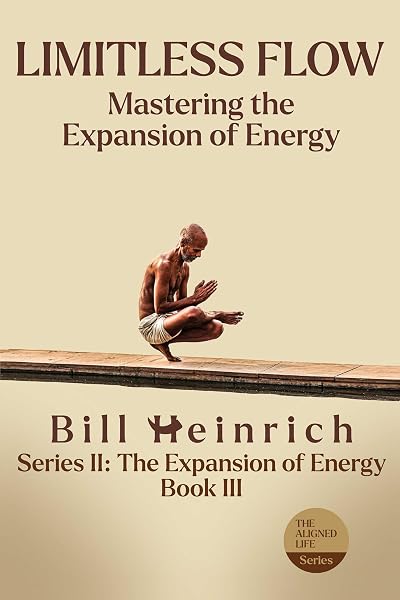 Limitless Flow
The Aligned Life Series · Book 6
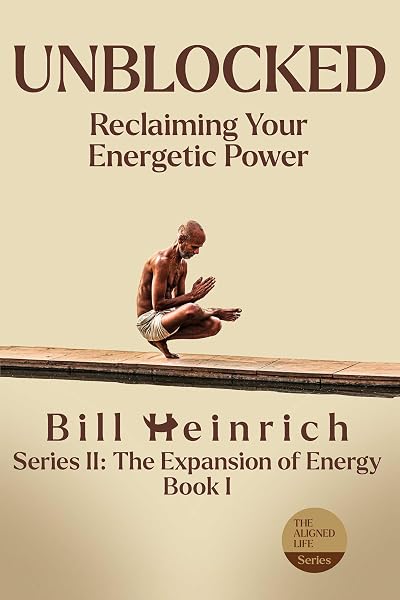 Unblocked
The Aligned Life Series · Book 4
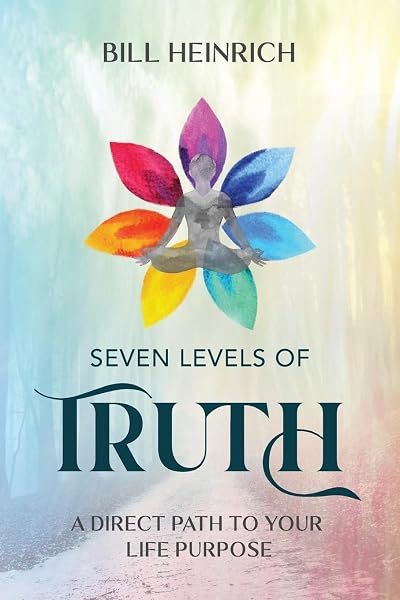 Seven Levels of Truth
By Bill Heinrich
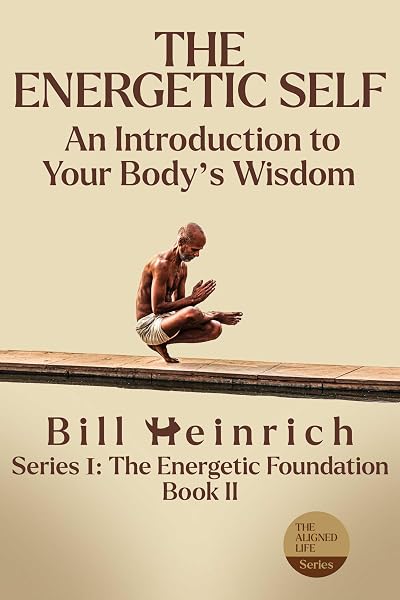 The Energetic Self
The Aligned Life Series · Book 2
Links go to Amazon (coming-soon Field Guides link to thealignedlifeseries.com).
Gatherings to explore
- Two Days in Ojai with Byron Katie (The Work) (Nov 6–7, 2026, Ojai, CA)
- Tiny Shifts: Breaking the Emotional Habits That Keep Us Stuck (Nov 7, 2026, Santa Monica, CA)
- Leadership Development Program (LDP) (Nov 16–20, 2026, San Diego, CA)
- Coming Home: Foundations of Mindfulness (Jan 10, 2027, Los Angeles, CA)
Keep reading
Educational content only. Not medical or mental health advice.